Pest Control: Practical Approaches to Protect Your Living space and Organization
Pest Control: Valuable Strategies to Safeguard Your Home and Organization
Opening to Pest Control
Pest Control addresses the handling or organization of creatures categorized as pests – organisms that harmfully impact personal behaviors or settings. In New Jersey, in which various ecosystems converge with residential and metropolitan advancement, potent Pest Control is not merely a nonessential but a necessity for maintaining salubrious living and occupational spaces. From the extensive neighborhoods of Monmouth County to the connected localities of Matawan, pest issues can disturb anyone, regardless of how immaculate or well-kept their dwelling may be.
The criticality of using effective Pest Control tactics cannot be emphasized enough. For residents, pests can harm foundational durability, taint food sources, and constitute important health dangers. Companies encounter these identical hurdles, with the further anxiety of reputation impairment and likely loss of shoppers if outbreaks are located. Typical pests in New Jersey contain rats and mice like rats and mice, various creepy crawlies such as ants, cockroaches, and bed bugs, and the remarkably destructive termites that can silently weaken a building's foundation.
Why Pest Control Is Vital
Health Perils of Pest Control Methods
Many pests transmit and spread sicknesses that can afflict people and pets. Rodents are established carriers of hantavirus, salmonella, and leptospirosis. Cockroaches can trigger asthma attacks and hypersensitive effects, especially in young ones. Ticks, plentiful in New Jersey's woodland places, are recognized for disseminating Lyme disease, while mosquitoes can carry West Nile virus and Eastern Equine Encephalitis. Professional Pest Control aids minimize these health hazards by eliminating the root of these probable disease agents.
Property Impairment in Pest Control
The skeletal impairment triggered by pests can be widespread and pricey. Termites only create over $5 billion in home devastation yearly within the United States, with New Jersey homes being notably exposed due to the state's climate. Vermin can chew through electronic cables, forming fire risks, while their persistent biting can damage padding, pipes, and lumber foundational sections. Even apparently benign ants can undermine wood structures if neglected unmanaged, mainly carpenter ants which are common in Monmouth County.
Fiscal Implications of Pest Control Services
Neglecting pest invasions can generate considerable financial outcomes. What could commence as a trivial occurrence demanding easy processing can quickly intensify into a serious problem demanding comprehensive repair. For enterprises, especially those in the food industry or guest service fields, pest invasions can produce deficient health examinations, provisional cessations, and permanent destruction to prestige and shopper faith. Putting money in normal Pest Control is not solely about instantaneous ease—it's a prolonged financial safeguard.
Pest Control: Ordinary Domestic and Company Pests
Rodents (Rats and Mice)
When it concerns recognizing rodent problems in your New Jersey home, attentiveness is fundamental. You possibly observe droppings near food sources, in storage units, or beneath sinks. Gnaw marks on food containers, wooden materials, and power lines are revealing signs of their attendance. At after dark, you may detect clawing noises in walls, top boundaries, or beneath floors as these evening creatures grow energetic. If you detect shelters made from tattered documents, fibers, or dehydrated plant matter, that's a clear symptom rodents have established themselves comfortable. Greasy rub marks next to baseboards and surfaces materialize as rodents utilize the same paths continually, while your pets may demonstrate atypical deportment such as yelping or scratching at areas underneath equipment or furnishings where rodents hide.
Vermin in New Jersey homes and organizations establish multiple menaces past simple disturbance. They can taint food and creation planes with bacteria residing in their liquid waste and waste. Their persistent desire to nibble can ruin items, notably electrical lines, which makes fire threats. In Matawan and encompassing vicinities, the Norway rat and house mouse are notably challenging, succeeding in both municipal and residential regions. Powerful Pest Control steps are vital to address these ruinous encroachers.
Arthropods (Ants, Cockroaches, Bed Bugs)
Arthropod issues manifest themselves in numerous manners based on the species. Ant issues develop into noticeable when you detect discernible ant lines pointing to food stocks, or when you uncover little accumulations of earth or wood chips formed by carpenter ants. Cockroach infestations often present themselves through dark excrement similar to coffee grounds or black pepper, a special fusty fragrance that saturates infested regions, and the occurrence of egg casings in camouflaged corners. Bed bug problems show up as rust-colored speckles on mattresses and furniture, shed skins near relaxing places, little blood stains on sheets, and uncomfortable red welts on skin typically aligned in a row or group.
Invertebrates constitute the most various classification of pests in New Jersey. Cockroaches can initiate asthma and allergies while spreading various bacteria. Bed bugs, while not disease transmitters, create notable pain, sleep intrusion, and affective anguish. Various ant types, like carpenter ants usual in Monmouth County's forested spots, can make structural deterioration akin to termites across time. Skilled Pest Control companies can spot distinct insect classes and enact directed approach strategies that manage the special behaviors and vulnerabilities of each pest.
Termites
Recognizing termite behavior rapidly requires understanding the understated signs of their attendance. You can observe discarded wings near windows and access points after swarmers have identified a mate and formed a new population. Mud tubes on outdoor surfaces, wooden beams, or in crawl spaces serve as shielded highways for these devastating insects. Wood that rings cavernous when struck suggests termites have been feasting from inwardly. Doors and windows that quickly cling may show warping from termite harm, while fissured or blistering paint looking like water harm often hides termite operation underneath. Spotting frass—termite excrement akin to diminutive wood-colored particles—offers another corroboration of their unwelcome being.
Termites establish perhaps the most important foundational hazard among all usual pests. In New Jersey, the Eastern subterranean termite is prevalent and remarkably destructive. These critters can linger concealed for eras while creating vast injury to timber framework parts. Homes in Matawan and across Monmouth County, mainly older homes, are defenseless to termite infestations. The standard outlay of term pest control.
Pest Control Security Factors
Proper Application of Pesticides and Products in Pest Control
As chemicals grow needed in your pest control strategy, focusing on safety needs focus to multiple crucial methods that defend individuals, animals, and the ecosystem. Consistently read and adhere to label instructions accurately, as these binding guidelines reflect thorough testing and official review designed to decrease hazards. Utilize the least successful quantity of pesticide to reach management while decreasing unnecessary substance introduction into your living space. Employ substances only in zones stated on the product instructions, preventing unauthorized applications that may produce surprising dangers or lower performance. Don appropriate protective apparatus as indicated by product producers to stop individual contact during use. Maintain substances in their factory containers with labels intact to keep availability to protection details and eliminate misidentification. Document complete logs of all treatments, documenting products utilized, concentration rates, places treated, and times of application for subsequent use. Allow sufficient setting and airflow before returning to serviced areas, especially important in New Jersey's weather where moisture can impact drying periods. Consider reduced-risk choices when efficient, as progress in pest control have developed many less-hazardous choices that retain effectiveness while reducing possible risks.
Shielding Animals and Kids Throughout Pest Control Applications
Specific precautions become vital when executing pest control measures in households with sensitive family individuals. Remove animals during service and until areas are dry to eliminate direct interaction with moist chemicals or fumes that could generate bad effects. Protect or move pet meals, drinking containers, and items before application to eliminate pollution that could lead to unintentional consumption. Place children's toys away from treatment areas, specifically items that small kids might place in their lips. Sanitize and sanitize food preparation areas after service, even if they weren't directly treated, to get rid of any traces that might have collected during service. Keep children apart from treated locations for the suggested period, lengthening this time for crawling infants who have greater immediate interaction with ground and low areas. Evaluate pet-safe and non-toxic to children product alternatives when obtainable, as many contemporary products focus on certain pest anatomy while minimizing human harm. Most importantly, tell expert technicians about the presence of animals, children, or expecting household occupants before they design application plans, allowing them to change strategies and chemical options accordingly.
Official Rules and Conformity with Pest Control
Pest control in New Jersey operates within a official system designed to shield community health and the environment while guaranteeing successful pest elimination. The New Jersey Department of Environmental Protection manages pest control activities, necessitating qualified pest management businesses to satisfy particular requirements. Businesses must hire authorized specialists who have completed official tests demonstrating proficiency in pest biology, treatment methods, and security guidelines. These companies must keep appropriate coverage insurance shielding both their applicators and their patrons from potential injury or damage related to pest elimination activities. Tight guidelines regulate chemical keeping, shipping, and elimination to prevent environmental exposure and unpermitted access. Experts must give Safety Data Sheets upon inquiry, documenting the attributes and dangers of chemicals utilized in services. Warning requirements pertain for some uses, especially in apartment buildings or business areas with numerous tenants. Comprehensive application logs must be upheld, building an inspection path of pest control operations. Also, only substances licensed for employment in New Jersey may be lawfully used, guaranteeing that local natural circumstances and ecosystems have been considered in the licensing process. For commercial facilities in Matawan and throughout Monmouth County, extra requirements may be relevant based on the industry, especially for dining business, health, and daycare centers where pest control intersects with further community wellness factors.
Eco-Friendly Pest Control Options
Integrated Pest Control (IPM) Method
Integrated Pest Management constitutes the highest level in today's pest control, focusing on lasting protection through a mix of strategies that reduce environmental influence while maximizing efficiency. The IPM method begins with detailed inspection and observation to recognize pest infestation accurately, setting up baseline details about species found and population counts. This creates precise identification of pest types, making certain control work address individual behaviors and exposures rather than using general procedures. Practitioners determine level levels that justify intervention, understanding that the simple existence of a few pests doesn't automatically demand treatment if numbers stay less than harmful numbers. When intervention turns required, IPM implements numerous control methods in unity, generally starting with safest approaches and escalating only when necessary. During the method, professionals review success and adjust techniques as necessary, forming a responsive approach reactive to shifting situations. Most importantly, IPM highlights avoidance over intervention, tackling physical and ambient aspects that support pest numbers rather than only removing current organisms. Many pest control firms in New Jersey provide IPM-based services that align with the area's drive toward safer pest treatment practices, specifically in vulnerable locations like learning institutions, healthcare facilities, and nutrition preparation plants.
Natural Management Methods
Successful pest control often integrates alternative methods that can address or reduce pest concerns without bringing substances into the ecosystem. Structural barriers such as screens, entry strips, and caulking stop pest access entirely, tackling the issue at its source. Mechanical controls like devices and prevention equipment extract present pests while blocking new arrivals. Natural approaches featuring helpful insects and bacteria introduce biological predators that attack specific pests while preserving advantageous life forms safe. Behavioral practices adjust the setting to discourage creatures, such as adjusting moisture timing to reduce dampness that brings specific pests. Area alteration minimizes shelter and food options, causing sites minimally attractive to unwanted occupants. For some insects like bed bugs, thermal procedures supply very effective treatment without chemical leftovers by raising temperatures over the heat death point for all living periods of the intended pest. In the same way, cooling approaches for stored goods insects like grain bugs or pantry pests can remove infestations in food items without synthetic residue. These approaches show particularly important in New Jersey's mixed settings, where proximity to aquatic areas, conserved wild areas, and dense urban zones creates multiple situations where synthetic limitation becomes beneficial or required.
Green Pest Control Management Solutions
The pest control field keeps to progress toward greater environmentally-friendly methods that retain success while reducing environmental impact. Plant-based chemicals derived from natural essences like chrysanthemum extract, neem, and aromatic compounds offer specific elimination with minimized longevity in the surroundings. Biological treatments featuring organisms, spores, or viruses that aim at specific pest insects deliver precision that conventional universal substances are unable to compare to. Development controllers that prevent pest breeding by interrupting with developmental processes supply lasting quantity suppression without quick dangerous impacts on developed organisms. Chemical systems that track or disturb pest reproduction help identify when treatment becomes needed and can stop reproduction in particular varieties. The field continuously embraces lower-risk products with minimal natural footprint, shifting apart from conventional products with greater consequences on unintended organisms. Accurate treatment methods that reduce overall product application provide services precisely where essential rather than spreading products over extensive regions. Sustainable certification programs for pest control companies determine criteria for ecologically preferable care and provide customers with clear labeling of companies dedicated to eco-conscious methods. In naturally vulnerable zones of New Jersey, encompassing sections of Monmouth County with nearness to marine sources, these green approaches are specifically valuable for defending both individual safety and wild systems while still supplying productive pest control.
Finding a Local Pest Control Service Provider in New Jersey
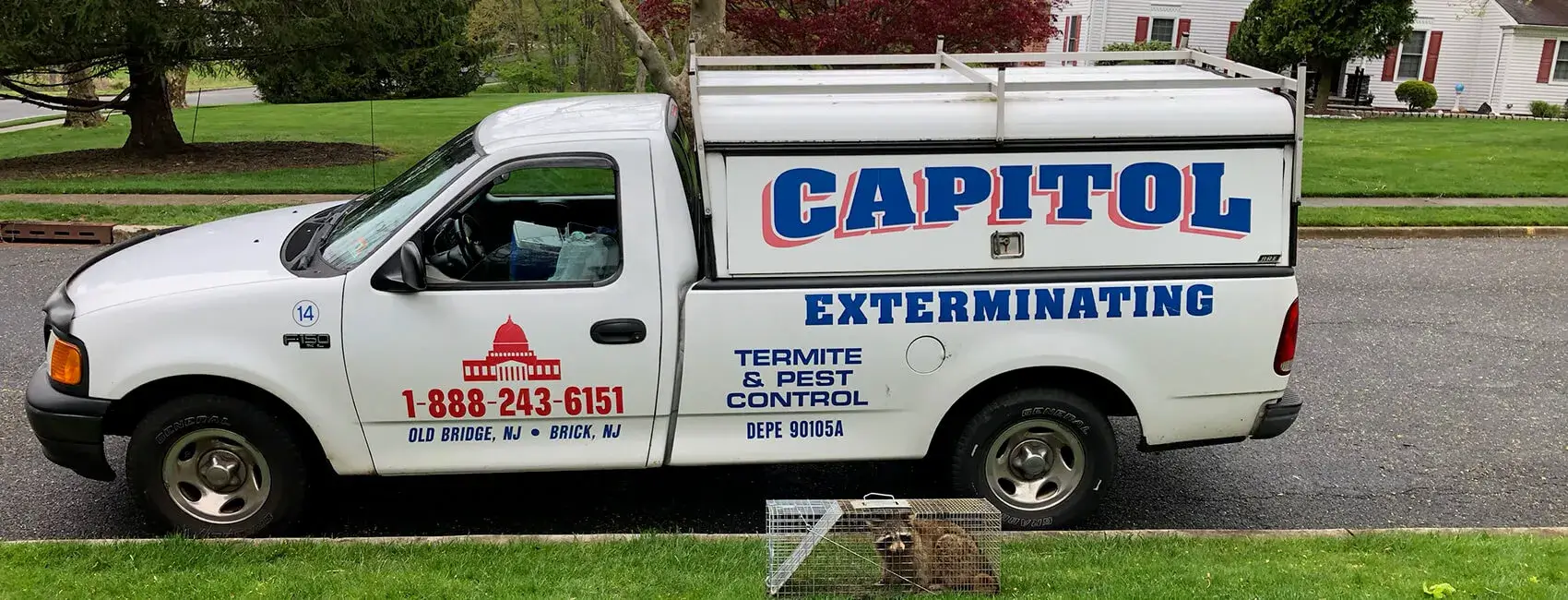
Capitol Exterminating System
272 NJ-34
Matawan, NJ 07747
(732) 441-1900
Often Requested Inquiries (FAQs) about Pest Control
How commonly should pest control be conducted?
For many New Jersey residences, seasonal pest control offers sufficient protection against seasonal pest challenges. This routine matches with the area's unique cycles, each producing separate pest difficulties that call for proactive attention. Springtime applications generally handle arising ant groups and hibernating organisms turning active. Summer applications focus on mosquitos, parasites, and different flying pests that succeed in warmer climate. Autumn procedures prepare properties for rodents and hibernating pests searching for refuge as conditions decrease. Winter procedures sustain defense against internal organisms while dealing with rodent problems at its peak. Though, this frequency may grow for buildings with specific threat factors or active concerns that require more rigorous control. Properties close to wooded areas in Monmouth County may benefit from further tick and mosquito procedures across Capitol Exterminating System pest control maximum periods. Homes with history of particular pest concerns commonly need directed subsequent procedures beyond the standard quarterly frequency. Commercial buildings, particularly restaurant preparation facilities in locations like Matawan, regularly need every month attention to sustain conformity with sanitary rules and avoid problems that could hurt image and business functions.
Is specialist pest control safe for animals?
When performed properly, expert pest control can be harmless for pets through deliberate chemical choice and treatment procedures that decrease contact. Modern focused usage approaches and safer materials have markedly enhanced security aspects versus older pest management techniques. Recent services commonly apply products particularly engineered to have minimal danger to creatures while keeping effective against intended organisms with separate biologies. Qualified technicians get education in treatment approaches that position materials in locations companions cannot get to, such as wall gaps, splits and crevices, or beneath devices. Though, animals should be relocated while performing service and until all treatments have solidified fully, adhering to particular pause intervals recommended by the chemical maker and applicator. Aquarium aquariums should be shielded and ventilation pumps disabled during application to stop exposure from suspended particles. Pet objects such as beds, objects, and eating bowls should be taken away or covered throughout service. Discuss any concerns with your pest control specialist, who can suggest proper waiting intervals considering the individual services applied and modify strategies for residences with especially sensitive companions like avians or cold-blooded animals that may have different bodily susceptibilities than cats and dogs.
What are the signs of a major pest issue?
Beyond seen pests themselves, several alert symptoms show probably significant infestations needing urgent pest control treatment. Unusual odors commonly develop with significant problems – stale, fatty odors may reveal rodents, while pleasant, distinctive smells periodically follow German insect colonies. Puzzling construction deterioration like falling floors, peeling paint, or deteriorating wood may reveal wood-destroying insect presence or carpenter ant colonies harming construction components. Unusual disturbances within partitions or lofts, especially at evening, frequently reveal rodent movement as these evening pests turn lively in unseen locations. Excessive debris resembling small debris close to wooden components may actually be droppings or feces from timber-damaging organisms. Some families face unknown health issues like respiratory problems or itching that disappear when gone from property, possibly suggesting creature issues altering indoor air standard. In New Jersey houses, focused focus should be directed to cellar and lower zones where humidity issues can sustain pest populations, specifically in mature houses throughout Monmouth County where structural cracks and crumbling mortar supply various entry spots. Discovering several dead creatures of the identical type indicates a larger community near, while residue marks near trim show developed rodent routes with regular movement.
Can I prevent organisms without pest control pesticides?
Indeed, many creatures can be prevented through appropriate hygiene, blocking, and living space adjustment without resorting to chemical interventions. The base of non-toxic pest control starts with thorough prevention work – closing gaps, openings, and openings that allow pests to penetrate buildings in the initial place. Installing entrance strips, mending broken filters, and sealing service penetrations removes common invasion locations. Removing sustenance supplies through appropriate edible containment in tight vessels, quick cleaning of spills and pieces, and consistent waste disposal markedly decreases draws that bring organisms into homes. Lowering humidity by mending leaking plumbing, enhancing air movement in wet locations, and addressing water flow problems eliminates the water sources various organisms demand. Keeping a space region surrounding homes by cutting plants, taking away organic waste, and keeping fuel elevated and distant from structures reduces hiding locations and access spots. Utilizing tangible obstacles like copper material or metal fiber to block wider openings offers enduring exclusion for mice and rats. Routine cleaning that includes removal fissures and gaps removes insect eggs and feeding waste that maintain pest growth. For existing infestations, nevertheless, some type of control product may be necessary to address established troubles, though multiple reduced-danger options are obtainable such as natural silica earth, boron acid, and pest-killing solutions that supply decreased risk compared to conventional chemicals.
What should I prepare for during qualified pest control procedure?
A professional pest control treatment typically begins with a complete evaluation to identify pest types, penetration spots, and favorable environments leading to the concern. The professional should spend time examining both inside and exterior zones, directing specific attention to food preparation areas, bathrooms, cellars, and border structural supports where pest behavior often focuses. After this inspection, the specialist should explain their discoveries in completeness and suggest a treatment approach adapted to your particular situation, discussing both the specific pests and the techniques planned for managing them. You may receive arrangement guidelines before treatment, possibly including repositioning belongings, removing particular areas, or protecting pets. During the procedure, the expert will employ appropriate substances to designated spaces considering the pest species recognized, concentrating on cracks, openings, and pest shelter locations rather than broadcasting treatments throughout complete surfaces. They may install surveillance devices like pest snares or attractant systems that support follow improvement and supply sustained safeguarding. After finishing applications, a professional should describe any subsequent precautions such as ventilation standards, access times, or surfaces to sanitize. Before exiting, they should set up subsequent services if essential for specifically persistent creatures like bed bugs or German roaches that usually call for multiple treatments for total eradication. Throughout this process, technicians should accept queries and supply clear facts about the chemicals and procedures employed, demonstrating their preparation and dedication to both efficiency and safety.
Successful pest control is an crucial component of preserving sanitary, secure home and commercial spaces in New Jersey. From the moist hot months that bring flying insects and blood-sucking insects to the cooler seasons when small mammals look for shelter inside, pest pressures remain a ongoing concern for occupants and businesses in Monmouth County and Matawan. By grasping common creatures, using protective measures, and recognizing when to obtain professional help, structure operators can defend their holdings and the health of tenants.
Adopting a anticipatory system to pest control is always more efficient and affordable than responding to developed invasions. Consistent inspections, suitable care, and handling tiny issues before they worsen can stop the major fees and interruptions associated with significant pest concerns. When expert help turns necessary, choosing a respected, authorized pest control service who utilizes integrated pest treatment principles provides successful results with limited natural footprint.